
Healthy choices
Nutrition and breast cancer
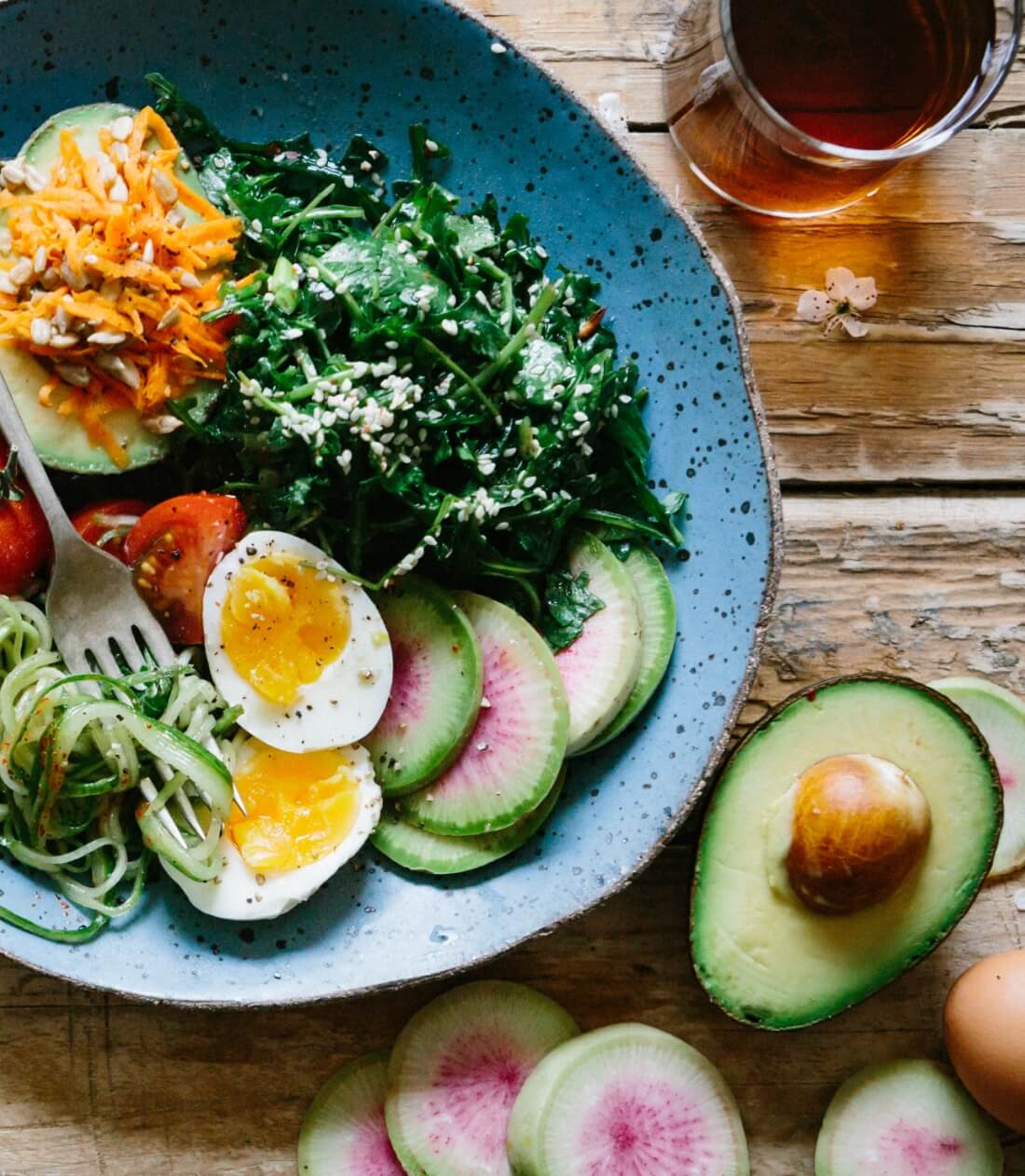
Eating a healthy, balanced diet is an important part of looking after yourself during and after breast cancer treatment. While research is still ongoing into whether specific foods or diets can directly influence breast cancer outcomes, experts recommend following general healthy-eating and lifestyle advice to support your overall well-being. This includes maintaining a healthy weight, being physically active, and building your meals around wholegrains, vegetables, fruit and beans, which together help your body get the nutrients it needs. Limiting highly processed foods that are high in fat, starches or sugars, reducing red and processed meat, and choosing water or unsweetened drinks instead of sugary beverages can all contribute to better long-term health.1–3 You can find ideas for healthy recipes at here for example.
Avoiding smoking and limiting or eliminating alcohol is also advised, as alcohol is a known risk factor for breast cancer and other health problems.1,4 Dietary supplements are not recommended for cancer prevention, as they have not been shown to reduce cancer risk and, in some cases, may even be harmful. Instead, nutrients are best obtained from a varied diet based on whole foods.
Although there is currently no strong evidence that changing your diet after diagnosis will specifically reduce the chance of breast cancer returning, adopting these healthy habits can lower your risk of other illnesses – such as heart disease, diabetes, and osteoporosis – and may help you feel better physically and emotionally throughout treatment and recovery. Most importantly, these recommendations are meant to support your overall health, not to add pressure. Small, sustainable changes can make a meaningful difference in helping you live well during and after breast cancer treatment.1
Did you know?
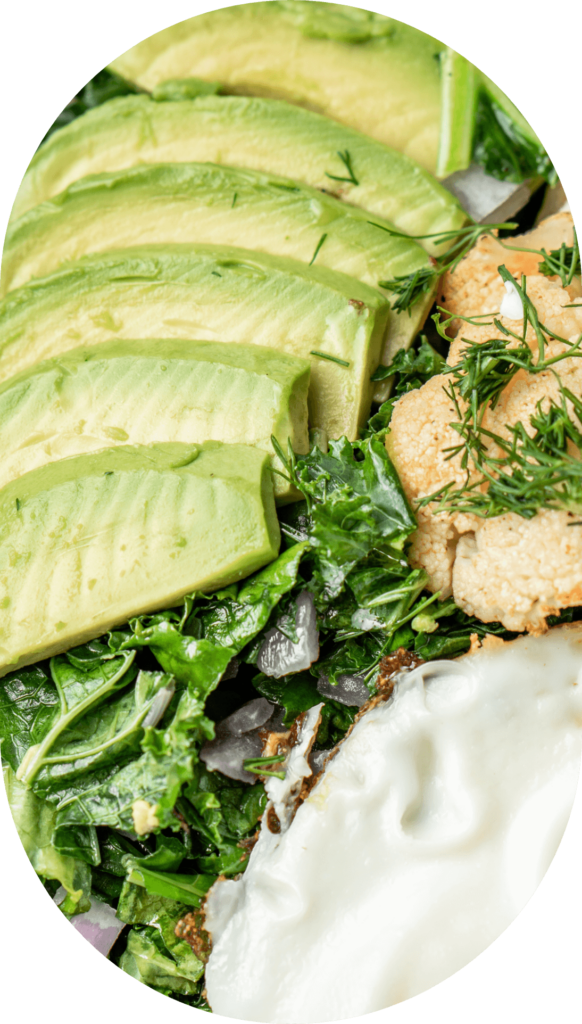
Soy foods are rich in compounds called isoflavones, which are a type of phytoestrogen. These plant-based compounds have a chemical structure similar to oestrogen, which initially raised concerns about their potential impact on breast cancer risk or interference with certain treatments.5 However, research suggests that moderate isoflavone food intake is not linked to an increased risk of breast cancer recurrence or mortality.
Isoflavones may have protective effects through their action on oestrogen receptors in the body, as well as antioxidant and anti-inflammatory properties. Overall, current evidence suggests that moderate isoflavone consumption (through foods such as tofu, soy milk, or edamame) is safe and potentially beneficial for women with breast cancer, but if you have any questions or concerns about including soy in your diet, it is a good idea to discuss them with your doctor or a dietitian familiar with cancer care.1
Information you can trust
With so many opinions out there, it can be hard to know who to follow. At Oncolifestyle we do our best to provide you with evidence-based information that has been carefully researched with your health in mind.
Our sources
Where is this information coming from?
Our sources
Where is this information coming from?
- Becerra‐Tomás, N. et al. Postdiagnosis dietary factors, supplement use and breast cancer prognosis: Global Cancer Update Programme ( CUP Global) systematic literature review and meta‐analysis. Int. J. Cancer 152, 616–634 (2023).
- Chan, D. S. M. et al. Postdiagnosis body fatness, weight change and breast cancer prognosis: Global Cancer Update Program (CUP global) systematic literature review and meta‐analysis. Int. J. Cancer 152, 572–599 (2023).
- World Cancer Research Fund/American Institute for Cancer Research. Diet, Nutrition, Physical Activity and Cancer: a Global Perspective. (2018).
- ESMO. The Patient Guide on Bone Health in Cancer. (2022).
- Shu, X. O. Soy Food Intake and Breast Cancer Survival. JAMA 302, 2437 (2009).