
Healthy choices
Supporting your emotional well-being during breast cancer?
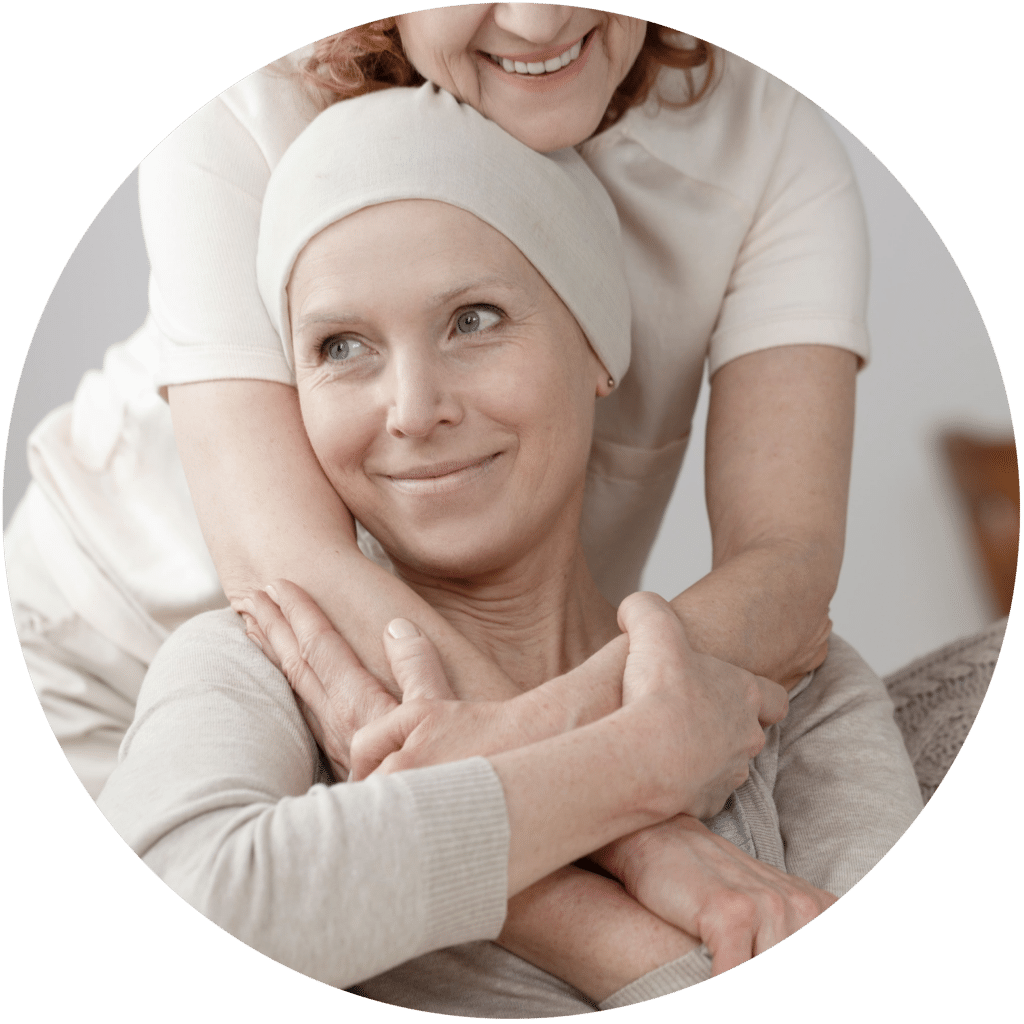
Being diagnosed with breast cancer can bring many emotional and psychological challenges alongside the physical aspects of treatment. The impact on your mental health and well-being can be just as significant as the physical side effects. It is important to know you are not alone and that there are many ways to get the support you need. Asking for help is not a sign of weakness, it is an essential part of caring for yourself. By caring for your mental health during cancer treatment, you can support your overall health, improve your daily life, and feel more in control of your journey.
The emotional impact of breact cancer
Cancer patients often experience anxiety, depression, stress, and fear that can impact both quality of life and treatment effectiveness.1–3 In addition, breast cancer treatment can change how you see and feel about your body. Surgery, whether lumpectomy or mastectomy, often leaves visible reminders of your journey and it is normal to feel grief for your old body. Beyond scars, hair loss, weight changes, skin differences, and lymphedema can also affect self-image.4
Why psychological support matters
Psychological support is an essential part of cancer care. It doesn’t just help manage stress, but it can improve your quality of life, help you stick with your treatment, and even support better health outcomes.
Feeling anxious, low, or overwhelmed is very common after a cancer diagnosis, and these feelings can sometimes make it harder to follow treatment plans or look after yourself day to day.1,2 However, getting psychological support can significantly improve your well-being and quality of life. Talking with a trained professional such as a psychologist, counsellor, or therapist, can help you understand and manage your emotions, reduce anxiety or depression, and find useful ways to cope with the challenges of treatment. Approaches like Cognitive Behavioural Therapy (CBT) or mindfulness-based techniques can help you feel more grounded and more in control. Many women find that psychological support helps them sleep better, communicate more easily with loved ones, and feel more confident as they move through their treatment.2
Why peer support and groups matter
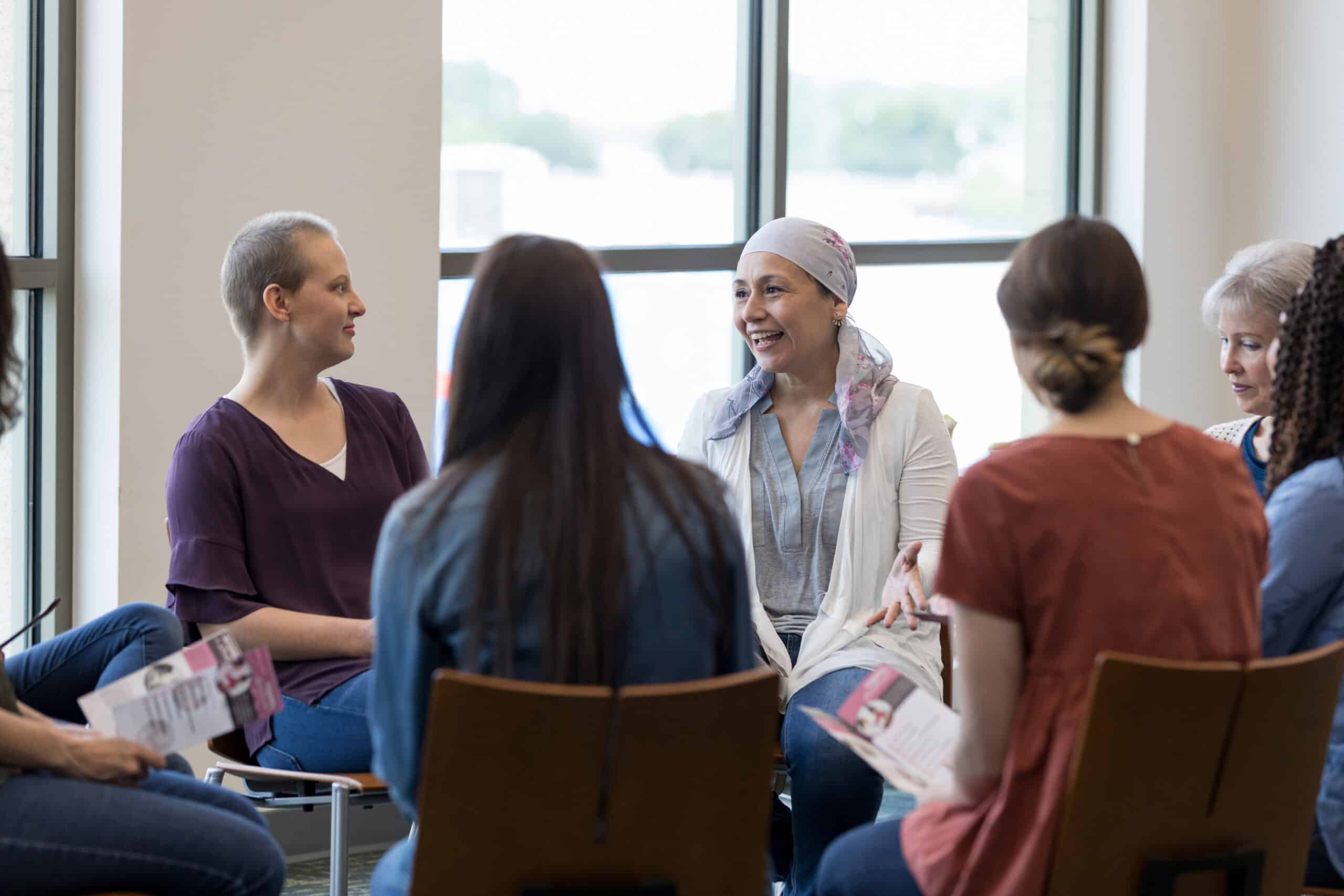
Peer support and connecting with other women who are also living with breast cancer is another valuable part of emotional care. Meeting others who truly understand what you are going through can ease the feeling of being “the only one” and provide a strong sense of belonging. Sharing experiences, tips, and emotions with people in a similar situation can help reduce anxiety, soften the shock of diagnosis, and make it easier to cope with side effects and life changes.1,5
Many women also find hope and reassurance by meeting others who have already completed treatment or who are living well with cancer. Hearing their stories can offer realistic comfort and show that you are not alone at any stage of the journey.
Well-structured support groups, whether they happen in hospitals, cancer centres, or through patient associations, are designed to be safe, moderated spaces where you can talk openly without feeling judged. These groups can reduce stress, anxiety, and depressive symptoms, while helping you feel more empowered and better informed. Some programs also include cultural, creative, or community activities, which can lift your mood, reduce isolation, and help you reconnect with everyday life alongside your medical treatments.6
Whether you prefer one-to-one conversations, group meetings, online communities, or creative activities, peer support can be a gentle and meaningful way to feel understood, supported, and more in control throughout your breast cancer journey.
Did you know?
Understanding what support exists around you can make everything feel more manageable. Local associations, community organizations, and support groups often know the nearby hospitals, doctors, social workers, and services that can help with practical needs such as transport, wigs, rehabilitation, home support, or childcare. Having a clear picture of the resources available (e.g., psychological support, peer groups, rehabilitation programs, wellness classes, spiritual care) can help you choose what fits your needs, your schedule, and your culture, instead of feeling lost in a maze of information.
Take action
Finding the support that works for you
There are a range of support options available:
- Counselling: Talking with a professional counsellor provides a safe space to work through complex feelings and help reduce anxiety and depression while improving well-being.3
- Support Groups: Connecting with other breast cancer survivors can be incredibly reassuring, improve your quality of life and provide understanding and advice that only others with similar experiences can truly offer.3,7
- Art Therapy: Creative activities like art can offer a gentle, non-verbal way to process feelings, helping reduce pain and anxiety while improving quality of life. Projects such as the Amazon Project can help shift the focus from the illness to you.
Many women find that using these community-based resources increases their sense of empowerment and satisfaction with their care. It can also make life easier for your family and friends, who can help you connect to the right services when you are tired or overwhelmed.

Information you can trust
Discover what’s new


Information you can trust
With so many opinions out there, it can be hard to know who to follow. At Oncolifestyle we do our best to provide you with evidence-based information that has been carefully researched with your health in mind.
Our sources
Where is this information coming from?
Our sources
Where is this information coming from
- Tang, W.-Z. et al. Prevalence and associated factors of psychological distress among patients with breast cancer: a systematic review and meta-analysis. BMJ Open 14, e077067 (2024).
- Guarino, A. et al. The Effectiveness of Psychological Treatments in Women with Breast Cancer: A Systematic Review and Meta-Analysis. J. Clin. Med. 9, 209 (2020).
- ESMO. Breast Cancer: A Guide for Patients. (2018).
- Vegunta, S., Kuhle, C. L., Vencill, J. A., Lucas, P. H. & Mussallem, D. M. Sexual Health after a Breast Cancer Diagnosis: Addressing a Forgotten Aspect of Survivorship. J. Clin. Med. 11, 6723 (2022).
- Kowitt, S. D. et al. Peer support opportunities across the cancer care continuum: a systematic scoping review of recent peer-reviewed literature. Support. Care Cancer 27, 97–108 (2019).
- National Cancer Institute. Cancer Support Groups. https://www.cancer.gov/about-cancer/coping/adjusting-to-cancer/support-groups (2024).
- Tehrani, A. M., Farajzadegan, Z., Rajabi, F. M. & Zamani, A. R. Belonging to a peer support group enhance the quality of life and adherence rate in patients affected by breast cancer: A non-randomized controlled clinical trial. J. Res. Med. Sci. Off. J. Isfahan Univ. Med. Sci. 16, 658–665 (2011).