Breast cancer
Side effects of breast cancer treatment
Breast cancer treatments are highly effective, but they may also lead to side effects. These vary depending on the type of treatment and from person to person. While some women experience very few issues, others may find certain symptoms challenging. The good news is that most side effects can be prevented, reduced, or managed with appropriate care and support. Your medical team will try their best to closely monitor you throughout treatment and offer solutions to help you maintain your comfort and well-being.
Surgery, whether it involves removing only the cancer (breast-conserving surgery) or the entire breast (mastectomy), can lead to temporary pain or tightness at the site of the operation. Some women also notice numbness or a tingling sensation in the chest or underarm area. If lymph nodes have been removed, the shoulder may feel stiff, and a small number of patients may develop swelling in the arm known as lymphoedema. Your medical team will provide medication to relieve pain and refer you to a physiotherapist if needed. Gentle exercises and precautions, such as avoiding injury or infection in the affected arm, can reduce the risk of complications and help restore movement.1
Radiotherapy may cause redness, dryness, or irritation of the skin in the treated area, similar to sunburn. Fatigue is also a common side effect and may increase as the treatment progresses. Some women notice mild swelling or firmness in the breast, and, in rare cases, treatment may affect nearby organs such as the heart or lungs. Most skin reactions are temporary and can be eased with gentle skin care products and wearing soft, loose clothing. Fatigue usually improves a few weeks after treatment ends, and staying active with light physical activity can help restore energy levels.1
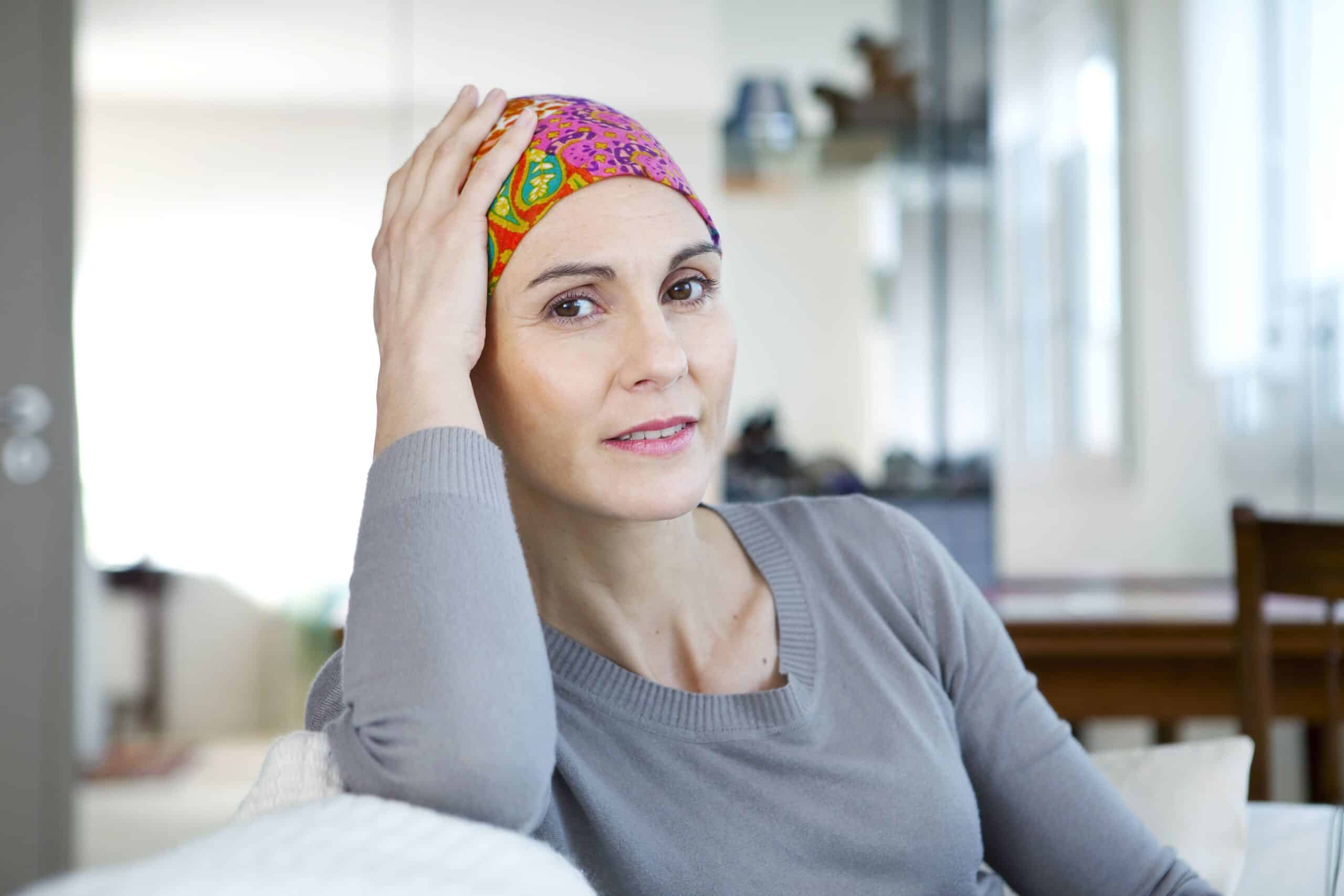
Chemotherapy can affect fast-growing cells in the body and may cause hair loss, nausea, fatigue, or changes in appetite and taste. Because chemotherapy can temporarily weaken the immune system, you may also be more prone to infections. Tingling or numbness in the hands and feet (known as peripheral neuropathy) may also occur, especially with certain drugs. Your care team will provide anti-nausea medications and support you in managing any digestive symptoms. Some women choose to use cooling caps to reduce hair loss. It is important to report any fever or signs of infection promptly, and your team will advise you on strategies to manage fatigue, emotional changes, or menopausal symptoms that may occur during treatment.1
Hormone (endocrine) therapy, which is recommended for many patients with hormone-sensitive cancers, may cause hot flushes, joint pain, fatigue, or mood changes. In some cases, it may lead to bone thinning over time. Your doctor may suggest bone density monitoring and, if needed, prescribe medication or supplements to protect bone health. Lifestyle changes such as regular physical activity, a balanced diet, and stress management can also help ease many of these side effects. Resources are also available to help manage vaginal dryness or emotional concerns.1
Targeted therapies, which are designed to block specific signals that help cancer cells grow, often have more focused effects than chemotherapy, but side effects can still occur. Depending on the medication, you might experience diarrhoea, skin changes, fatigue, or effects on the heart or liver. Some women may also develop high blood pressure, and you might need to have regular cardiology check-ups, especially if you are receiving HER2-targeted therapies. Your team will carry out regular monitoring and act early to manage any concerns. With the right adjustments, many people can continue treatment without major disruption.1
It is important to remember that you are not alone in facing these effects. Keep track of how you feel and discuss any changes with your care team. This will help them support you more effectively. A range of professionals – including nurses, physiotherapists, psychologists, and dietitians – are available to help you manage symptoms and maintain your quality of life throughout treatment. With the right care, many side effects can be controlled, and your comfort and recovery can be greatly improved.1
Sources
- ESMO. Breast Cancer: A Guide for Patients. (2018).